
Categories
Buy a House in TulsaPublished August 3, 2026
How to Sell a House in Tulsa, Oklahoma



If you’re selling a home in Tulsa in 2026, your results come down to five things: price, condition, exposure, negotiation, and clean execution. Paul Wheeler's team at Accent Realtors has been Tulsa's real estate expert since 1992. Whether you're downsizing from your four-bedroom family home in Owasso, listing an inherited midtown gem, an investor realizing a return on a Broken Arrow duplex or a flipper who poured your heart and skill into renovating the only condo you could afford in Jenks, this guide walks you through each step—so you can sell with confidence and avoid common (costly) mistakes.
Typical timeline
30-60 days*
Value driver
Correct pricing
#1 issue
Overpricing
*Varies by price point, condition, seasonality, and inventory.
Direct answer
To sell a house in Tulsa, you’ll typically (1) determine a realistic price using comparable sales, (2) prepare the home for showings, (3) list it with professional marketing and MLS exposure, (4) negotiate offers with clear strategy, and (5) navigate inspections, repairs, appraisal, and closing. The best outcomes usually come from pricing correctly in the first 7–14 days and minimizing friction during contract-to-close.
Step-by-step: selling a house in Tulsa
Clarify your goal (price vs timeline)
- Max price: expect more prep, tighter marketing standards, and fewer compromises.
- Fast timeline: prioritize pricing strategy, convenience for showings, and clean disclosures.
- Low stress: simplify repairs, pre-plan move-out, and set clear showing windows.
1. How to price your Tulsa home in 2026
Correct pricing is the single biggest lever you control. Your home’s value is driven by comps (recent closed sales), active competition, and buyer expectations at your price point. In Tulsa, pricing too high early often causes the listing to “go stale,” leading to larger reductions later. Tulsa buyers compare your home against similar active listings. If your home is priced above what it “feels like,” showings drop — even if your home is nicer.
A practical pricing framework
- Closed sales: what buyers recently paid for similar homes.
- Actives: what you must beat (or match) to win the showing.
- Pending/under contract: a clue to where buyers are currently agreeing.
- Condition adjustment: updates, roof/HVAC age, foundation signals, curb appeal.
The first 7–14 days after listing are often your strongest window for attention.
Common pricing mistakes
- Pricing based on “what we need” instead of what the market supports.
- Ignoring active competition (buyers shop against what’s available now).
- Overvaluing DIY improvements that don’t translate to buyer premiums.
- Underestimating “condition penalties” (odor, clutter, deferred maintenance).
2. Prep checklist: what to fix (and what to skip)
You don’t need to renovate everything. Focus on visible items that reduce buyer fear and increase confidence.
High ROI tasks for most Tulsa homes
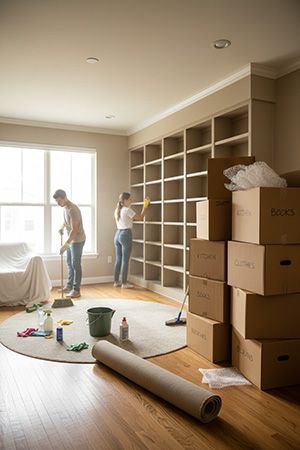
- Deep clean (including baseboards, vents, windows, and bathrooms)
- Neutral paint touch-ups where needed
- Fix obvious “functionality” items (leaks, doors that don’t latch, broken switches/outlets)
- Lighting upgrades where rooms feel dim
- Landscape clean-up for curb appeal
Often safe to skip (depending on price point)
- Major kitchen remodels right before listing
- Replacing windows solely “because they’re older”
- High-end finishes that don’t match the neighborhood price band
Seller mindset: You’re not building your dream house—you’re removing buyer objections and maximizing perceived value.
3. Marketing plan that gets top exposure
Strong marketing is more than “put it on the MLS.” It’s about winning attention and converting that attention into showings.
What “great listing media” looks like in 2026
- Professional photos with correct lighting and composition
- Short-form video walkthrough (vertical + horizontal cuts)
- Floor plan (when available)
- Compelling listing description (benefits + lifestyle + key features)
- Clear showing instructions and fast response to requests
Distribution channels to cover
- MLS syndication (core discovery engine)
- IDX / organic search pages (featured listings pages on internal media)
- Social media amplification (Facebook/Instagram/YouTube shorts)
- Email to agent networks (especially for niche properties)
4. How to evaluate and negotiate offers

Offer checklist
- Price: does it reflect the home’s value and market conditions?
- Financing: cash vs conventional vs FHA/VA and documentation strength.
- Contingencies: inspection, appraisal, sale-of-home, financing timelines.
- Concessions: closing cost requests, repair credits, home warranty requests.
- Timeline: closing date + possession terms (when you need to move).
Negotiation strategies that protect your net
- Counter on concessions, not just price
- Request stronger terms (shorter inspection, tighter deadlines)
- Use repair credits strategically to avoid schedule risk
- Keep backups in play until inspection is resolved
5. Inspections, repairs, appraisal, and contingencies
Inspections
Inspections are about identifying risk. Most transactions involve some negotiation. The key is to distinguish between “safety / functionality” issues and “cosmetic preferences.”
Repairs vs credits
For many sellers, a credit can be simpler and less disruptive than coordinating repairs—especially if timing is tight. However, repairs can reduce buyer anxiety and appraisal concerns in certain situations.
Appraisal
Appraisal risk increases when the contract price pushes above recent comps. The best defense is solid pricing, clean condition, and documenting upgrades and key differentiators.
Typical seller costs in Tulsa
Want a clean estimate of your likely net proceeds? Ask for a seller net sheet customized to your home and timeline. Exact numbers vary by transaction, but here’s a practical planning table.
| Cost | Typical Range | Notes |
|---|---|---|
| Real estate commission | 3% Buyer Agent Commission 3% Seller Agent Commission |
Often negotiated; structure depends on listing agreement. |
| Title / settlement fees | Varies | Depends on title company, endorsements, and transaction complexity. |
| Repairs / credits | Varies | Based on inspection findings and negotiation. |
| Prorations | Varies | Taxes, HOA dues (if applicable), etc. |
| Staging / cleaning | $200–$2,000+ | Depends on home size and level of service. |
Best time to sell in Tulsa
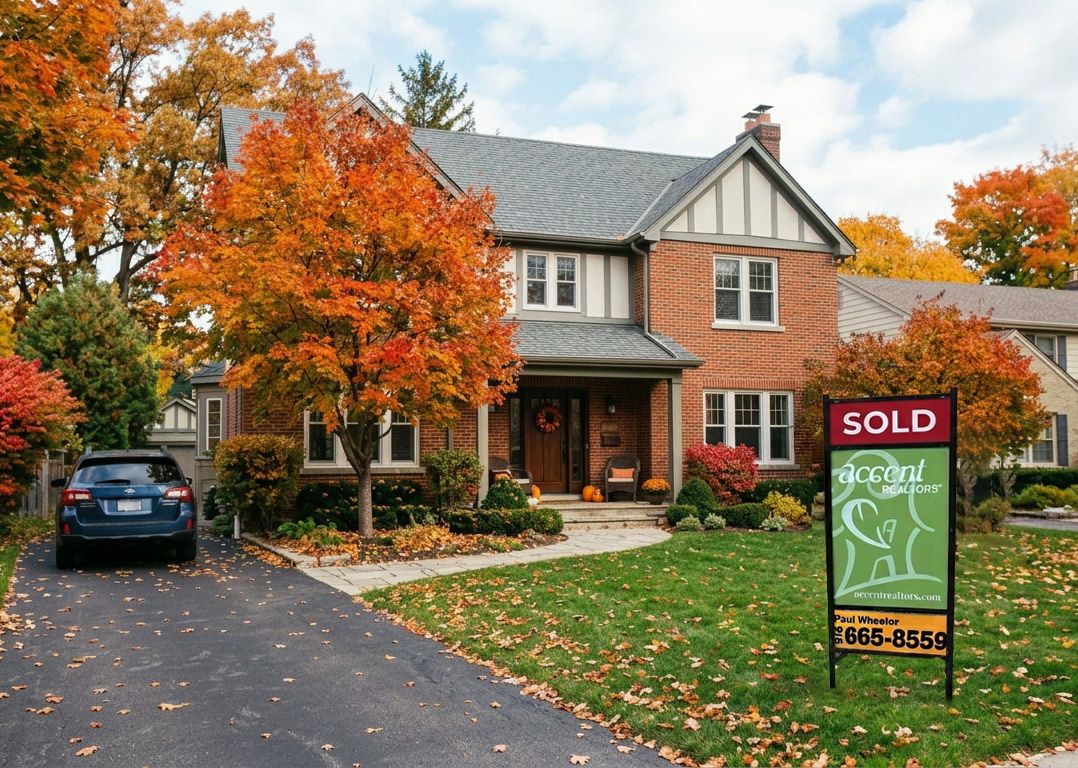
Seasonality matters, but pricing and presentation usually matter more. In general:
- Spring: often strong buyer activity and competition.
- Summer: still active; family moves are common.
- Fall: can be efficient with serious buyers, fewer tire-kickers.
- Winter: fewer buyers, but those shopping are often motivated.
In 2026, interest-rate changes and inventory levels can shift these patterns quickly.
FSBO vs listing with an agent in Oklahoma
Selling FSBO can work, but you’re taking on pricing, marketing, negotiation, paperwork, deadlines, and risk management. Many sellers underestimate the time and complexity once you’re under contract.
FSBO risks that typically cost money
- Overpricing and extended days on market
- Weak marketing leads to fewer showings
- Contract/inspection missteps that lead to concessions
- Missed deadlines (financing, appraisal, repair negotiations)
Neighborhood nuances in the Tulsa area
Tulsa pricing is hyper-local. Two homes with the same square footage can perform differently based on school boundaries, traffic patterns, lot characteristics, nearby amenities and buyer preference, but these general descriptions may serve as a thumbnail guidelines to market value:
- Midtown Tulsa: Charm and location can outweigh size, but condition and maintenance matter. Midtown is the heart of Tulsa, with historic neighborhoods running between 11th and 51st Streets and quick access to the restaurants of Cherry Street and the museum district anchored by Philbrook Museum and Gardens. $500K - $1.5M.
- South Tulsa: Buyers often prioritize layout, updates, and schools. Cupped in the curve of the Arkansas River, South Tulsa is home to expansive neighborhoods with established trees and easy transportation on major north/south avenues. Good schools, large parks and access to shopping make the area a comfortable choice for high quality of life. $300K - $750K.
- Bixby: New construction, larger homes, and rapid growth shape the local market. Stretching south and east of the Arkansas River, Bixby offers a mix of established neighborhoods, growing subdivisions, and more spacious properties on the edges of town. Buyers are drawn to its schools, parks, newer amenities, and suburban atmosphere while remaining within commuting distance of Tulsa. $250K - $700K.
- Broken Arrow: Space, neighborhood amenities, and value often drive buyer interest. As one of Tulsa’s largest suburbs, Broken Arrow offers everything from established neighborhoods to newer master-planned communities, along with a vibrant downtown district, extensive parks, and convenient access to shopping and entertainment. Its broad range of homes and price points appeals to first-time buyers, growing families, and those looking for more room without giving up access to Tulsa. $200K - $1M.
- Jenks: School demand, location, and limited inventory can create strong competition for well-maintained homes. Located along the Arkansas River just south of Tulsa, Jenks combines small-town character with convenient access to major employers, shopping, dining, and recreation. Its historic downtown, riverfront attractions, and established neighborhoods make it especially attractive to buyers seeking community and accessibility. $300K - $750K.
- Owasso: Commute patterns, school demand, and newer construction influence competition. Located north of Tulsa with convenient access to Highway 169, Owasso has grown into a major suburban community with modern neighborhoods, abundant shopping, and a wide selection of parks and recreational amenities. Its combination of newer homes, community conveniences, and access to Tulsa-area employment makes it popular with buyers looking for suburban space and everyday convenience. $200K - $550K.
- Sapulpa: Affordability, lot size, and proximity to Tulsa often shape buyer interest. Located southwest of Tulsa along historic Route 66, Sapulpa offers established neighborhoods, a revitalized downtown, and a more relaxed small-town atmosphere. Buyers are drawn to its variety of homes, community events, local parks, and convenient access to Tulsa while often finding more space for their budget. $200K - $450K.
Tulsa home selling FAQs
How long does it take to sell a house in Tulsa?
Many Tulsa homes sell within roughly 30–60 days, but timelines vary with price point, condition, season, and inventory. Correct pricing and strong presentation typically reduce time on market.
What repairs should I make before listing?
Focus on “confidence builders” (functional fixes, cleanliness, and curb appeal). Skip major remodels unless your price point demands it and the numbers clearly support it.
Do I need a real estate agent to sell my house in Oklahoma?
You can sell without an agent, but you’ll handle pricing, marketing, negotiation, disclosures, deadlines, and contract details yourself. Many sellers choose an agent to reduce risk and improve net proceeds.
How do I avoid my listing going stale?
Price correctly from day one, present the home well, use high-quality media, and respond quickly to showing requests. If activity is low in the first 7–14 days, adjust strategy early.
What are typical seller costs in Tulsa?
Seller costs vary, but typically include negotiated commission, title/settlement costs, prorations, and any repairs or credits. A net sheet can estimate proceeds based on your property and terms.
What documents should I gather before listing?
Helpful items often include: HOA docs (if applicable), receipts for major repairs, appliance manuals, warranty info, and records of improvements.

Paul Wheeler
Broker | Accent Realtors of Tulsa
or another way